
Spine Surgery Explained
Many patients are surprised to learn that common spine operations are often performed primarily for arm or leg symptoms, rather than for isolated neck or back pain.
The most predictable surgical situations occur when a patient’s symptoms follow a recognizable neurologic pattern and imaging identifies a structural problem that matches those symptoms.
Most spine surgery falls into two categories:
Decompression Surgery or Fusion Surgery
This overview focuses on common elective, clinic-based spine surgery. It is not intended to cover every operation performed for conditions such as trauma, tumors, infection, or other complex spinal disorders.
Decompression Surgery
When a nerve root or the spinal cord is being compressed, surgery may be used to create more room for the affected neural structures.
Common diagnoses include:
- Radiculopathy — symptoms caused by irritation or compression of a nerve root
- Neurogenic Claudication — leg symptoms associated with lumbar spinal stenosis
- Cervical Myelopathy — spinal cord dysfunction caused by cervical spinal cord compression
[Learn more in the glossary →]
Common decompression procedures include:
- Laminectomy
- Discectomy
- Foraminotomy
[Learn more about these procedures →link laminectomy]
The important part is not simply finding something on an MRI. The symptoms, examination, and structural findings should fit together.
Spinal Fusion
A spinal fusion is fundamentally a stabilization operation.
It may be appropriate when there is a defined structural reason that a segment of the spine requires stabilization, such as instability or deformity. Fusion may also be added when the decompression required to adequately treat neural compression would itself create or worsen instability.
Fusion is sometimes casually described as a “rods and screws” operation, but the hardware is only the method used to stabilize the spine while fusion occurs.
A spinal fusion is not simply a treatment for age-related changes seen on an MRI or for nonspecific back pain. There should be a specific structural reason for performing it.
Common fusion procedures include:
- Anterior Cervical Decompression and Fusion (ACDF)
- Posterior Fusion with pedicle-screw fixation
- Posterior Lumbar Interbody Fusion (PLIF)
- Transforaminal Lumbar Interbody Fusion (TLIF)
- Lateral Interbody Fusion
[Learn more about spinal fusion →]
When Decompression and Fusion Go Together
Sometimes the primary purpose of surgery is decompression, but stabilization is also required.
Examples include:
- Anterior Cervical Decompression and Fusion (ACDF)
- A decompression requiring extensive removal of the facet joint
- Decompression in the presence of clinically significant spinal instability, such as some cases of dynamic spondylolisthesis
In these situations, the fusion is not being performed simply because the patient has pain. It has a specific structural role as part of the operation.
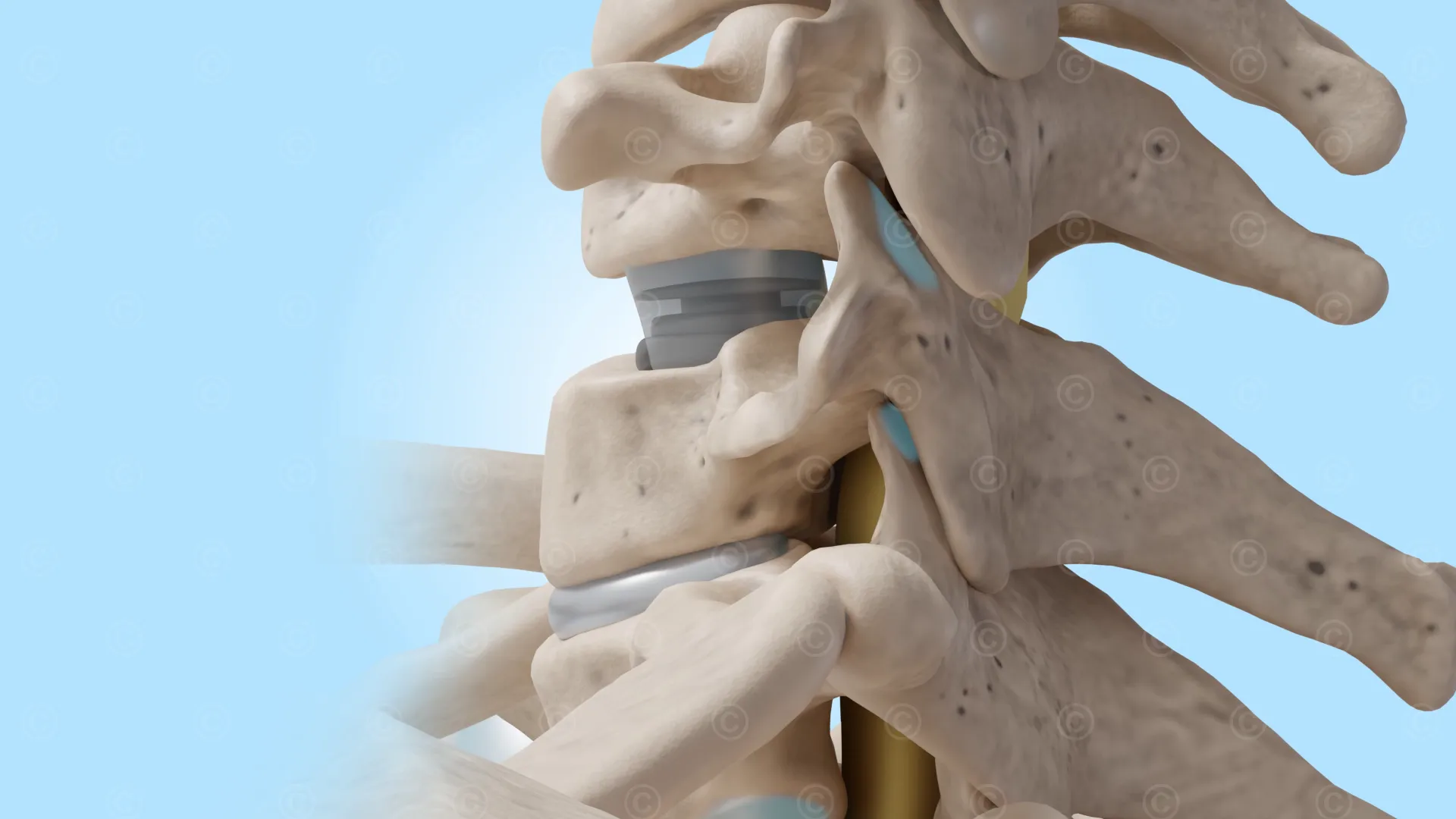
Artificial Discs: An Alternative to Fusion
Artifical Disks can be placed instead of a fusion device (bone, cage, or combination)
An immediate advantage is that no neck/cervical collar is needed after surgery
The long-term benefits are a realted to adsorbtion of mechanical forces on the above and below joints which correlates with less “adjacent segment” problems and therefore lower chance of future, adjacent, surgery
While lumbar disk replacement devices exist, clinically, there are fewer indications.
Artificial Cervical Disk Replacement (ACD-R) accounts for the vast majority of these types of procedures
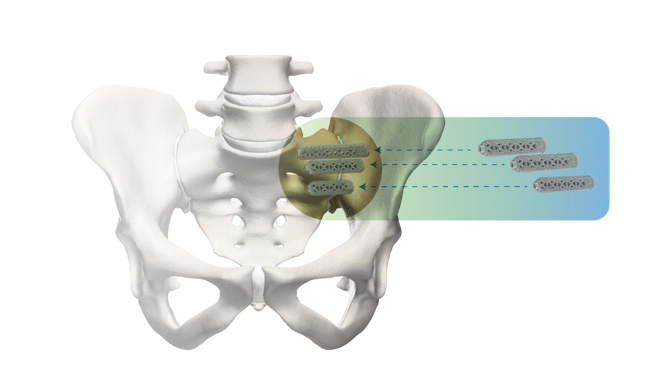
Sacroiliac (SI) Joint Fusion
Not everything that feels like “low back pain” originates from the lumbar spine.
The sacroiliac (SI) joint is located where the pelvis meets the sacrum and can produce pain that patients commonly describe simply as back pain. SI-joint complex pain is an important source of chronic, non-radicular low-back pain.
When the history, examination, and diagnostic evaluation support the SI joint as the pain source, SI joint fusion may become a surgical option.
Although technically not spinal fusion, SI joint fusion is commonly evaluated and treated within a spine practice.
Dr. Phillips prefers a lateral SI joint fusion approach using triangular implants in appropriately selected patients.
[Learn more about SI joint pain and fusion →]
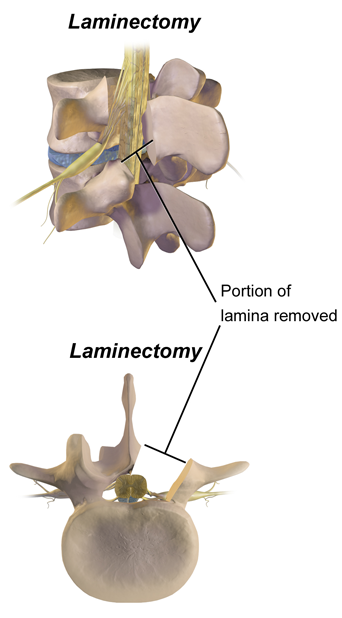
Decompression Surgery
When a nerve root or the spinal cord is being compressed, surgery may be used to create more room for the affected neural structures.
Common diagnoses include:
- Radiculopathy — symptoms caused by irritation or compression of a nerve root
- Neurogenic Claudication — leg symptoms associated with lumbar spinal stenosis
- Cervical Myelopathy — spinal cord dysfunction caused by cervical spinal cord compression
[Learn more in the glossary →]
Common decompression procedures include:
- Laminectomy
- Discectomy
- Foraminotomy
[Learn more about these procedures →]
The important part is not simply finding something on an MRI. The symptoms, examination, and structural findings should fit together.
Fusion Surgery
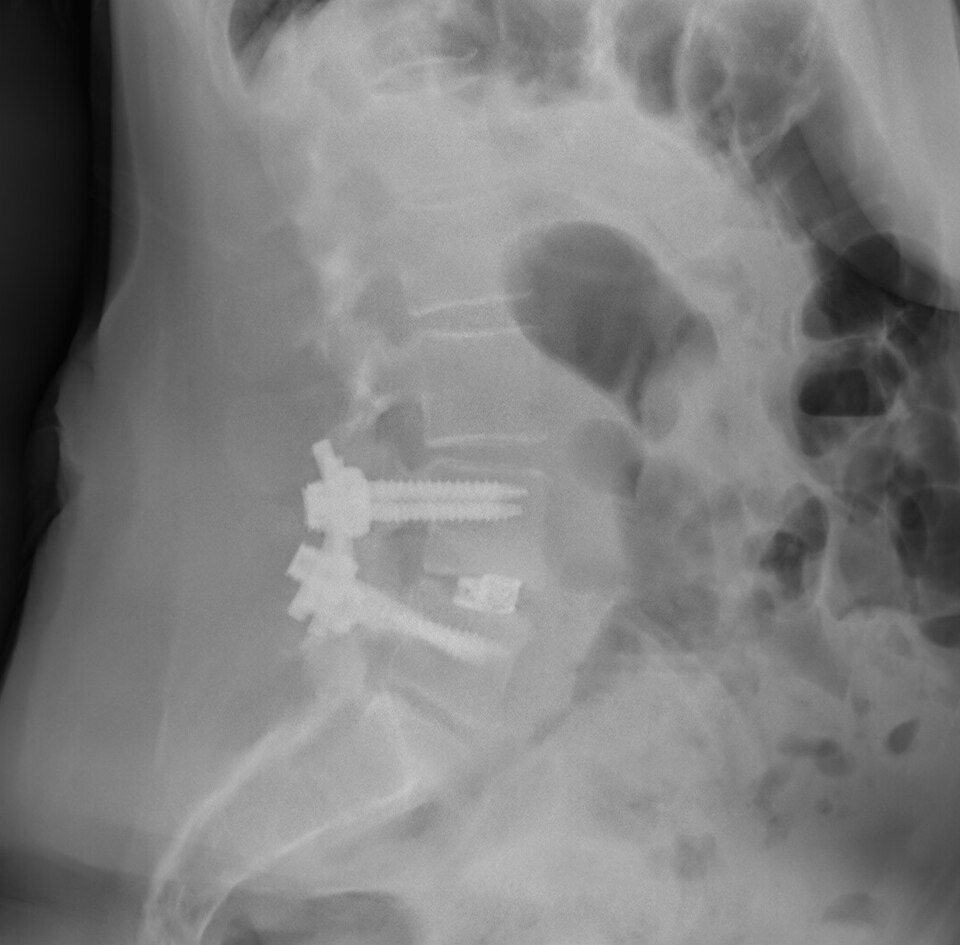
A spinal fusion is fundamentally a stabilization operation.
It may be appropriate when there is a defined structural reason that a segment of the spine requires stabilization, such as instability or deformity. Fusion may also be added when the decompression required to adequately treat neural compression would itself create or worsen instability.
Fusion is sometimes casually described as a “rods and screws” operation, but the hardware is only the method used to stabilize the spine while fusion occurs.
A spinal fusion is not simply a treatment for age-related changes seen on an MRI or for nonspecific back pain. There should be a specific structural reason for performing it.
Common fusion procedures include:
- Anterior Cervical Decompression and Fusion (ACDF)
- Posterior Fusion with pedicle-screw fixation
- Posterior Lumbar Interbody Fusion (PLIF)
- Transforaminal Lumbar Interbody Fusion (TLIF)
- Lateral Interbody Fusion
[Learn more about spinal fusion →]
When Decompression and Fusion Go Together
Sometimes the primary purpose of surgery is decompression, but stabilization is also required.
Examples include:
- Anterior Cervical Decompression and Fusion (ACDF)
- A decompression requiring extensive removal of the facet joint
- Decompression in the presence of clinically significant spinal instability, such as some cases of dynamic spondylolisthesis
In these situations, the fusion is not being performed simply because the patient has pain. It has a specific structural role as part of the operation.
Artificial Discs: An Alternative to Fusion
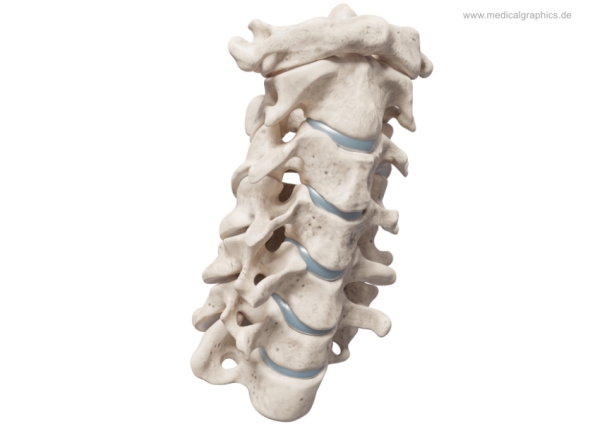
Artifical Disks can be placed instead of a fusion device (bone, cage, or combination)
An immediate advantage is that no neck/cervical collar is needed after surgery
The long-term benefits are a realted to adsorbtion of mechanical forces on the above and below joints which correlates with less “adjacent segment” problems and therefore lower chance of future, adjacent, surgery
While lumbar disk replacement devices exist, clinically, there are fewer indications.
Artificial Cervical Disk Replacement (ACD-R) accounts for the vast majority of these types of procedures
Sacroiliac (SI) Joint Fusion
Not everything that feels like “low back pain” originates from the lumbar spine.
The sacroiliac (SI) joint is located where the pelvis meets the sacrum and can produce pain that patients commonly describe simply as back pain. SI-joint complex pain is an important source of chronic, non-radicular low-back pain.
When the history, examination, and diagnostic evaluation support the SI joint as the pain source, SI joint fusion may become a surgical option.
Although technically not spinal fusion, SI joint fusion is commonly evaluated and treated within a spine practice.
Dr. Phillips prefers a lateral SI joint fusion approach using triangular implants in appropriately selected patients.
[Learn more about SI joint pain and fusion →]
When Is Surgery an Option?
Dr. Phillips does not view surgery simply as a “last resort.”
Surgery becomes an option when there is a specific structural problem that matches the patient’s symptoms and has a reasonable surgical solution. When Dr. Phillips offers an elective operation, it is because he believes surgery represents a good option for that particular problem—and sometimes it may be the best option.
When there is no appropriate surgical target, surgery is not being postponed or saved for later. It simply is not on the table.
That distinction is an important part of determining the right treatment.
